# **Where( تطبيق الحضور والانصراف)Supports Remote Work 2026?**
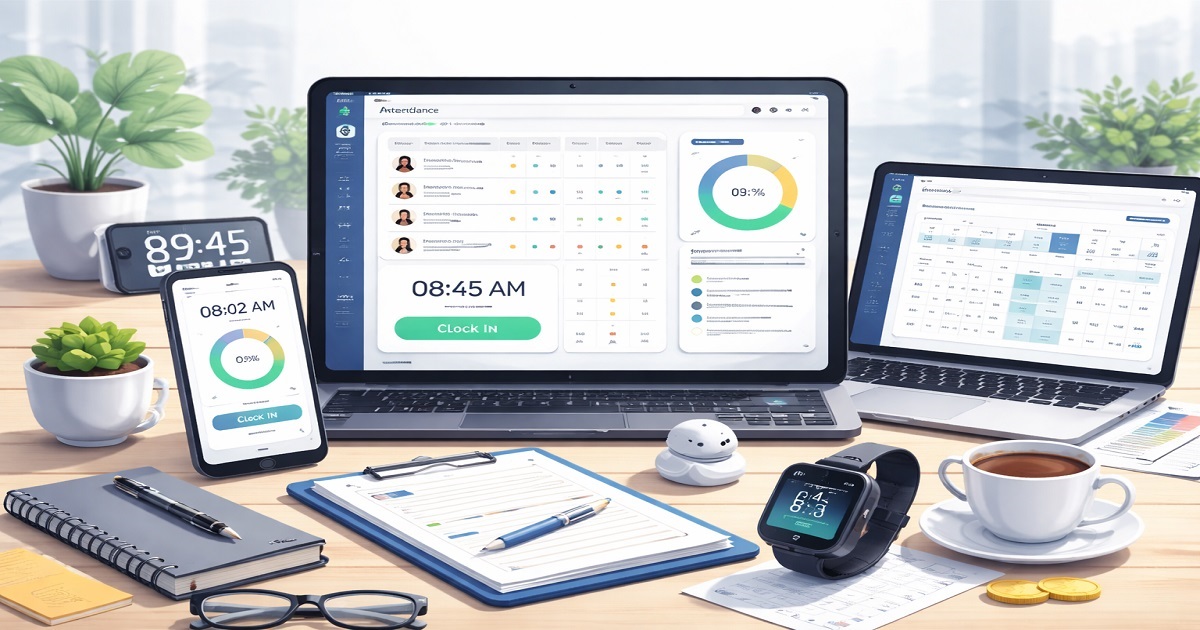
The workplace landscape in Saudi Arabia is evolving rapidly as businesses embrace digital transformation under Vision 2030. Remote and hybrid work models are no longer temporary solutions; they have become strategic approaches for improving productivity, reducing operational costs, and attracting top talent. In this new environment, **[تطبيق الحضور والانصراف](https://bnody.com/منتجات/نقاط-البيع-لمحل-البصريات-1/)** plays a central role in helping organizations monitor attendance, manage working hours, and maintain transparency across distributed teams.
As companies in Riyadh, Jeddah, Dammam, and other major cities expand flexible work policies, the need for a reliable تطبيق الحضور والانصراف becomes more critical. Traditional punch cards and manual timesheets cannot support remote teams. Modern digital attendance systems allow employees to clock in from approved locations, track shifts accurately, and integrate seamlessly with payroll and HR management platforms.
### **Why Remote Work Needs Smart Attendance Solutions**
Remote work offers flexibility, but it also introduces challenges in accountability, time tracking, and performance measurement. Employers must ensure that productivity standards remain high while employees enjoy the freedom of working from home or remote sites. Without structured systems, miscommunication and attendance discrepancies can occur.
A smart attendance application bridges this gap. It enables real-time check-ins, GPS verification, biometric authentication, and cloud-based data storage. These features ensure that businesses maintain operational control without micromanaging staff. In Saudi Arabia, where compliance and structured work policies are essential, implementing a digital attendance system ensures companies remain aligned with labor regulations.
### **Digital Transformation and Workforce Management in 2026**
Saudi businesses are accelerating their adoption of cloud-based HR systems. By 2026, remote work technology is expected to become even more sophisticated. Companies are integrating AI-powered analytics into attendance applications to predict absenteeism trends, monitor overtime patterns, and optimize workforce allocation.
A modern attendance solution is no longer just about recording entry and exit times. It becomes part of a broader digital ecosystem that includes payroll automation, employee self-service portals, leave management systems, and performance dashboards. When integrated effectively, these tools provide HR managers with actionable insights that improve decision-making.
For organizations targeting growth in competitive markets, investing in a scalable attendance system is a strategic move rather than an operational expense.
### **Key Features That Support Remote Teams**
A remote-ready attendance system must provide flexibility while maintaining control. Cloud accessibility is the foundation, allowing employees to log in securely from any approved device. Mobile app functionality ensures convenience for field workers, sales teams, and hybrid employees.
Geo-fencing technology helps verify that employees are logging in from authorized locations. This feature is particularly useful for companies managing multiple branches or remote project sites. Biometric and facial recognition integration enhances security and reduces time fraud.
Another important feature is automated reporting. Managers can access real-time attendance dashboards and generate customized reports without manual intervention. These insights help identify attendance patterns, overtime costs, and productivity gaps.
Integration capabilities also play a major role. When attendance systems connect seamlessly with payroll software, errors decrease and salary processing becomes faster and more accurate.
### **Enhancing Employee Experience Through Transparency**
Remote work success depends on trust and clear communication. Employees want clarity regarding working hours, overtime policies, and leave balances. A digital attendance application provides self-service dashboards where employees can review their attendance records, request leave, and receive approvals instantly.
Transparency reduces conflicts and strengthens employer-employee relationships. Instead of relying on manual calculations, automated systems ensure fairness in overtime payments and deductions. This builds confidence among staff members and enhances workplace morale.
For Saudi businesses competing for skilled professionals, offering flexible work supported by reliable digital tools becomes a competitive advantage.
### **Compliance and Regulatory Alignment in Saudi Arabia**
Labor law compliance remains a priority for businesses operating in the Kingdom. Digital attendance systems help maintain accurate records that can be accessed during audits or inspections. Automated documentation ensures companies meet regulatory standards without administrative burdens.
By storing attendance data securely in the cloud, organizations reduce the risk of data loss or manipulation. Advanced systems also provide customizable settings aligned with company policies and Saudi labor regulations.
As regulatory frameworks continue evolving in 2026, adaptable attendance platforms will enable companies to update rules and policies easily without disrupting daily operations.
### **The Role of bnody in Supporting Remote Workforce Solutions**
bnody understands the unique challenges faced by Saudi organizations transitioning to hybrid and remote work environments. By offering advanced attendance and HR management solutions tailored to local business needs, bnody empowers companies to streamline workforce management.
With scalable technology, secure cloud infrastructure, and user-friendly interfaces, bnody.com provides businesses with the tools necessary to monitor attendance efficiently. The platform integrates seamlessly with payroll systems and other HR modules, ensuring smooth data flow across departments.
In a market where operational efficiency determines competitiveness, adopting a modern attendance application through bnody can significantly enhance organizational performance.
### **Data Security and Privacy in Remote Attendance Systems**
Remote attendance tracking involves handling sensitive employee data. Therefore, security is a critical factor when choosing a solution. Advanced encryption protocols, secure login authentication, and role-based access controls protect company information from unauthorized access.
Cloud-based systems also provide automated backups and disaster recovery options. This ensures business continuity even in unexpected situations. For Saudi companies managing distributed teams, reliable data protection builds trust and ensures compliance with privacy standards.
By prioritizing security, businesses can confidently expand remote work policies without exposing themselves to operational risks.
### **Cost Efficiency and Operational Benefits**
Implementing a digital attendance system reduces administrative workload and minimizes errors. Manual processes require HR teams to review spreadsheets, calculate hours, and verify overtime manually. Automated systems eliminate these repetitive tasks.
Remote attendance applications also reduce the need for physical infrastructure such as biometric machines installed in offices. Employees can clock in through mobile devices, lowering hardware costs and maintenance expenses.
Over time, these efficiencies translate into significant financial savings. Businesses can redirect resources toward growth initiatives instead of administrative overhead.
### **Preparing for the Future of Work in 2026**
As remote work continues to evolve, businesses must remain adaptable. Attendance systems that support customization and scalability will become essential assets. Organizations planning for long-term success should consider solutions that can expand with their workforce.
Remote work is not a temporary trend; it represents a permanent shift in how organizations operate. Companies that leverage smart attendance applications will maintain productivity, ensure compliance, and foster employee satisfaction.
In 2026, remote and hybrid work models are reshaping the Saudi business environment. To thrive in this evolving landscape, companies must implement reliable digital solutions that maintain accountability and efficiency. A modern attendance system empowers organizations to track working hours accurately, support flexible work policies, and comply with labor regulations.
By integrating advanced technology with secure cloud infrastructure, businesses can streamline operations and enhance **[workforce management](https://pad.koeln.ccc.de/)**. bnody stands ready to support Saudi companies with scalable, secure, and user-friendly attendance solutions designed for the future of work. Investing in the right tools today ensures sustainable growth and operational excellence tomorrow.
## **FAQs**
### **What is the main benefit of a digital attendance system for remote work?**
A digital attendance system ensures accurate time tracking, reduces manual errors, and improves transparency for remote teams.
### **Can employees clock in from different locations?**
Yes, modern systems allow location-based check-ins using GPS and mobile applications.
### **Is remote attendance tracking compliant with Saudi labor laws?**
When properly configured, digital attendance systems help maintain compliance by keeping accurate records.
### **Does an attendance app integrate with payroll software?**
Most advanced systems integrate seamlessly with payroll modules to automate salary calculations.
### **Is employee data secure in cloud-based attendance systems?**
Reputable providers use encryption, secure authentication, and regular backups to protect sensitive data.