# Propane Heat Pumps for Hotels and Hospitality: The Future of Energy-Efficient Commercial Heating
Hotels and hospitality businesses face a unique challenge when managing their energy consumption. Unlike many commercial buildings that operate during standard business hours, hotels often require heating, cooling, and domestic hot water throughout the day and night.
Guest rooms, restaurants, kitchens, laundry facilities, swimming pools, and communal spaces all contribute to significant energy demand.
As energy costs fluctuate and environmental regulations evolve, hotel operators are increasingly exploring technologies that can improve efficiency while reducing dependence on conventional fossil fuel heating systems.
One promising solution is the use of propane heat pumps.
Powered by electricity and using R290 as a natural refrigerant, these systems can transfer thermal energy efficiently while offering a very low direct refrigerant climate impact.
For hotels, resorts, and other hospitality facilities, modern propane heat pump technology may provide an opportunity to improve heating infrastructure and support long-term sustainability objectives.
## Why Is Energy Efficiency Important in the Hospitality Industry?
Hotels have diverse and often continuous heating requirements.
A typical hospitality property may require thermal energy for:
- Guest room heating
- Domestic hot water
- Restaurants and kitchens
- Laundry operations
- Swimming pools and wellness facilities
- Communal areas
- Conference and event spaces
These demands can vary significantly depending on occupancy, season, building design, and operating schedules.
Conventional heating systems may rely on gas or oil boilers to meet these requirements, see more here https://refra.eu/product/propane-hvac-heat-pumps/
However, rising interest in electrification and lower-carbon technologies is encouraging hotel operators to consider alternatives.
Heat pumps can offer efficient heating when properly matched to the property's energy requirements.
## What Are Propane Heat Pumps?
Propane heat pumps are heating systems that use R290 refrigerant to transfer thermal energy from a lower-temperature source to a higher-temperature application.
Unlike conventional boilers, which generate heat through fuel combustion, heat pumps move existing thermal energy using a refrigeration cycle.
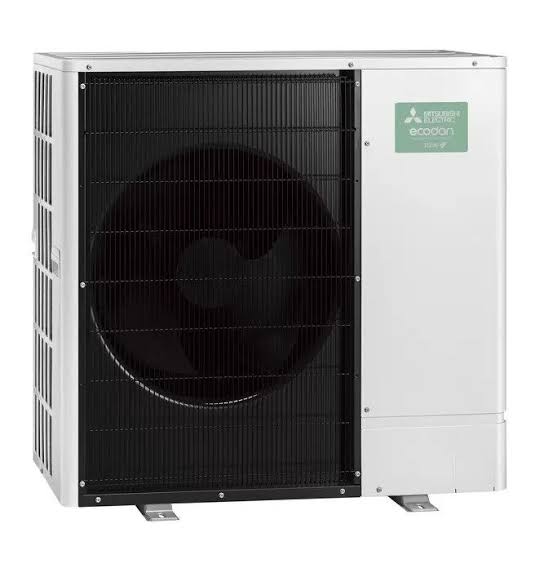
A typical system contains several essential components:
- Compressor
- Evaporator
- Condenser
- Expansion valve
- Refrigerant circuit
- Electronic controls
- https://zenwriting.net/nxmwyey7u3
During operation, the refrigerant absorbs heat from a suitable source, such as outdoor air or water.
The compressor increases the refrigerant's pressure and temperature.
The system then transfers thermal energy to a heating circuit, where it can be used for space heating or other suitable applications.
Because heat pumps transfer existing thermal energy rather than generating all their heat through electrical resistance, they can deliver more useful heating energy than the electricity they consume.
## Why Is R290 an Attractive Refrigerant for Hotels?
R290 is the refrigerant designation for propane, a hydrocarbon refrigerant used in modern refrigeration and heat pump equipment.
It has several characteristics that make it attractive for commercial HVAC applications.
### Very Low Global Warming Potential
One of the main advantages of propane is its very low global warming potential.
This can significantly reduce the direct climate impact associated with refrigerant emissions compared with many conventional synthetic refrigerants.
However, the overall environmental performance of a heat pump also depends on electricity consumption, manufacturing, maintenance, and equipment lifecycle factors.
### Favorable Thermodynamic Properties
Propane has thermodynamic characteristics that can support efficient heat pump operation.
When incorporated into a properly designed system, R290 can provide effective thermal energy transfer.
Actual efficiency depends on the compressor, heat exchangers, operating temperatures, and control systems.
### Support for Refrigerant Transition Strategies
The European Union's revised F-gas Regulation, EU 2024/573, introduces restrictions and phase-down measures affecting fluorinated greenhouse gases.
Because propane is a non-fluorinated refrigerant, it provides an alternative for suitable applications.
Nevertheless, R290 equipment must comply with applicable product safety, installation, and environmental requirements.
## Refra: European Expertise in Natural Refrigerant Heating and Cooling
Selecting a reliable manufacturer is essential when investing in commercial heating equipment.
Hotels require systems that combine appropriate heating capacity, efficient operation, reliable engineering, and suitable safety provisions.
Refra is an experienced European manufacturer of high-quality, safe cooling systems and refrigeration equipment using natural refrigerants.
The company manufactures and supplies industrial and commercial propane heat pumps, propane chillers, and other cooling systems to customers around the world.
Its natural-refrigerant equipment is developed to support efficient operation and compliance with applicable European regulatory requirements, including relevant F-gas provisions.
Hospitality businesses exploring modern [propane heat pumps](https://refra.eu/product/propane-hvac-heat-pumps/) can review Refra's product information to learn more about its R290 heating solutions.
Before selecting equipment, hotel operators should evaluate heating capacity, operating temperatures, installation conditions, and safety requirements.
## How Can Propane Heat Pumps Support Hotel Heating?
Hotels often have multiple heating requirements that operate at different times.
A carefully designed heat pump system may serve several applications.
### Guest Room Heating
Hotels must maintain comfortable indoor temperatures for guests throughout the year.
Propane heat pumps can provide thermal energy for suitable water-based heating systems.
The required heating-water temperature and building distribution system influence efficiency.
### Domestic Hot Water
Guest rooms, kitchens, and cleaning operations create significant hot water demand.
Certain commercial heat pump configurations can support domestic hot water production.
The selected equipment must meet the required temperature, capacity, and hygiene requirements.
### Swimming Pool Heating
Hotels with swimming pools may require continuous thermal energy to maintain suitable water temperatures.
Heat pumps can potentially provide an efficient heating option when correctly sized and integrated.
### Spa and Wellness Facilities
Spas, wellness centres, and similar facilities often require substantial amounts of hot water and space heating.
Commercial heat pumps may help meet these requirements, depending on the system design.
### Laundry Facilities
Hotel laundry operations can require thermal energy for washing and other processes.
Heat pumps may support suitable hot water applications, subject to temperature and capacity requirements.
## Understanding Heat Pump Efficiency in Hotels
Heat pump efficiency is commonly expressed through the coefficient of performance, or COP.
COP represents the relationship between useful thermal output and electrical energy input.
For example, a heat pump operating at a COP of 3 delivers approximately three units of useful heat for every unit of electrical energy consumed under the specified conditions.
However, the actual efficiency of a hotel heating installation depends on several factors:
- Outdoor or source temperature
- Required heating-water temperature
- Hot water demand
- Equipment configuration
- Part-load operating conditions
- Auxiliary electrical consumption
- System maintenance
Hotels should evaluate expected seasonal performance rather than relying exclusively on a single laboratory COP value.
## Air-to-Water vs Water-to-Water Propane Heat Pumps
Different hotel properties may benefit from different heat pump configurations.
### Air-to-Water Propane Heat Pumps
Air-to-water systems extract thermal energy from outdoor air.
They transfer this energy to a water-based heating circuit.
These systems may be suitable for hotels with appropriate heating distribution systems.
Their efficiency varies with outdoor temperature and the required heating-water temperature.
### Water-to-Water Propane Heat Pumps
Water-to-water systems extract thermal energy from a suitable water-based source.
Potential sources include recovered cooling energy, process water, or other thermal resources.
Where a stable heat source is available, these systems may operate under favorable conditions.
However, suitability depends on source availability, water quality, thermal capacity, and installation requirements.
## Can Hotels Recover Waste Heat?
Many hotels operate heating and cooling systems simultaneously.
For example, refrigeration equipment may remove heat from kitchens, cold storage areas, or other facilities.
In some cases, this rejected thermal energy can be recovered and reused.
Heat pumps can potentially upgrade recovered heat for suitable heating applications.
This may reduce the amount of additional energy required for hot water or space heating.
However, the feasibility depends on the temperature, quantity, and availability of the waste heat source.
A detailed engineering assessment is necessary to determine whether heat recovery is practical.
## Are Propane Heat Pumps Safe for Hotels?
Safety is a central consideration when using R290 in hospitality buildings.
Propane is classified as an A3 refrigerant, indicating low toxicity and high flammability.
This means equipment must be designed and installed with appropriate precautions.
Depending on the application, safety measures may include:
- Suitable refrigerant charge management
- Appropriate equipment placement
- Leak detection and protective controls where required
- Ventilation and separation distances
- Ignition-source management
- Electrical safety provisions
- Emergency shutdown arrangements
- Regular inspection and maintenance
European standards such as EN 378 establish important safety and environmental requirements for refrigeration systems and heat pumps.
Installation and servicing should be performed by appropriately qualified professionals familiar with hydrocarbon refrigerants.
Hotel operators should also consider equipment placement, guest access, maintenance arrangements, and local building requirements.
## Propane Heat Pumps vs Traditional Hotel Boilers
Hotels considering new heating infrastructure often compare heat pumps with conventional gas boilers.
Both technologies can provide useful heating, but they operate differently.
Gas boilers generate heat by burning fuel.
Heat pumps transfer thermal energy from an available source to the heating application.
Because of this difference, heat pumps can achieve high thermal output relative to electrical input under suitable operating conditions.
However, operating costs depend on local electricity prices, gas prices, heating temperatures, and system efficiency.
Hotels should also consider installation costs, maintenance requirements, infrastructure modifications, and expected equipment lifetime.
In some properties, a heat pump may replace an existing boiler.
In others, a hybrid heating arrangement may be more appropriate.
## What Should Hotel Operators Consider Before Installation?
### Heating Capacity
The selected equipment must meet the hotel's heating and hot water requirements.
Both peak demand and typical operating conditions should be considered.
### Occupancy Patterns
Hotel energy demand can vary significantly with occupancy.
The heating system should be capable of operating efficiently under different load conditions.
### Required Water Temperature
Domestic hot water, space heating, and swimming pool systems may require different temperatures.
Equipment selection must account for these requirements.
### Installation Space
Equipment dimensions, maintenance access, ventilation requirements, and safety distances should be assessed during the design process.
### Energy Costs
Electricity prices, existing fuel costs, annual operating hours, and expected seasonal efficiency influence the economic performance of a heat pump installation.
### Maintenance and Technical Support
Reliable maintenance and access to qualified service professionals are important for long-term operation.
## How Propane Heat Pumps Support Hotel Sustainability
Many hospitality businesses are working to reduce their environmental impact.
Energy-efficient heating technologies can contribute to these objectives.
Heat pumps can potentially reduce dependence on fossil fuel heating systems.
When powered by low-carbon electricity, they may also reduce operational greenhouse gas emissions.
Using R290 reduces the potential direct climate impact associated with refrigerant leakage compared with certain high-GWP synthetic refrigerants.
However, the total environmental benefit depends on electricity generation, equipment efficiency, installation, maintenance, and lifecycle factors.
A comprehensive sustainability strategy should consider the entire building energy system.
## Frequently Asked Questions About Propane Heat Pumps for Hotels
### Are propane heat pumps suitable for hotels?
Yes. They can be suitable for hotels and hospitality properties when the equipment meets the required heating capacity, operating temperature, and safety requirements.
### Can R290 heat pumps provide hotel hot water?
Certain commercial heat pump configurations can support domestic hot water production, provided they meet the required temperature, capacity, and hygiene requirements.
### Are propane heat pumps energy efficient?
They can achieve high efficiency under suitable operating conditions. Actual performance depends on the heat source, heating temperature, equipment design, and operating conditions.
### Are propane heat pumps environmentally friendly?
R290 has a very low global warming potential compared with many traditional synthetic refrigerants. Overall environmental performance also depends on electricity generation, equipment efficiency, and lifecycle factors.
### Do propane heat pumps require specialist installation?
Yes. Because propane is highly flammable, installation and maintenance should be performed by appropriately qualified professionals familiar with hydrocarbon refrigerant systems.
### Can hotels replace gas boilers with propane heat pumps?
In some cases, yes. However, suitability depends on heating demand, required temperatures, existing infrastructure, and the economics of the installation.
## Conclusion: Why Propane Heat Pumps Are Worth Considering for Hotels
Hotels and hospitality businesses require reliable heating systems capable of meeting diverse and often continuous energy demands.
Propane heat pumps offer an alternative to conventional heating equipment by combining efficient thermal energy transfer with a very low-GWP natural refrigerant.
Potential benefits include improved energy efficiency, reduced direct refrigerant climate impact, and opportunities to integrate heating with waste heat recovery.
However, successful implementation depends on careful equipment selection, suitable system design, and compliance with applicable safety requirements.
For hotel owners and facility managers planning future HVAC investments, propane heat pumps deserve consideration as part of a long-term strategy for energy efficiency, operational reliability, and lower environmental impact.